
History and cacao
Roças, cacao and coffee
The plantation estates that shaped the islands: Agostinho Neto, Monte Café, Roça Sundy and how to visit them with context.
The roças, the old coffee and cacao estates, are the islands’ most striking man-made sights: hospitals, manor houses and workers’ quarters in the forest. Visit with a guide who can explain the forced and contract labour that built them, and how people live there today.
Why the roças matter
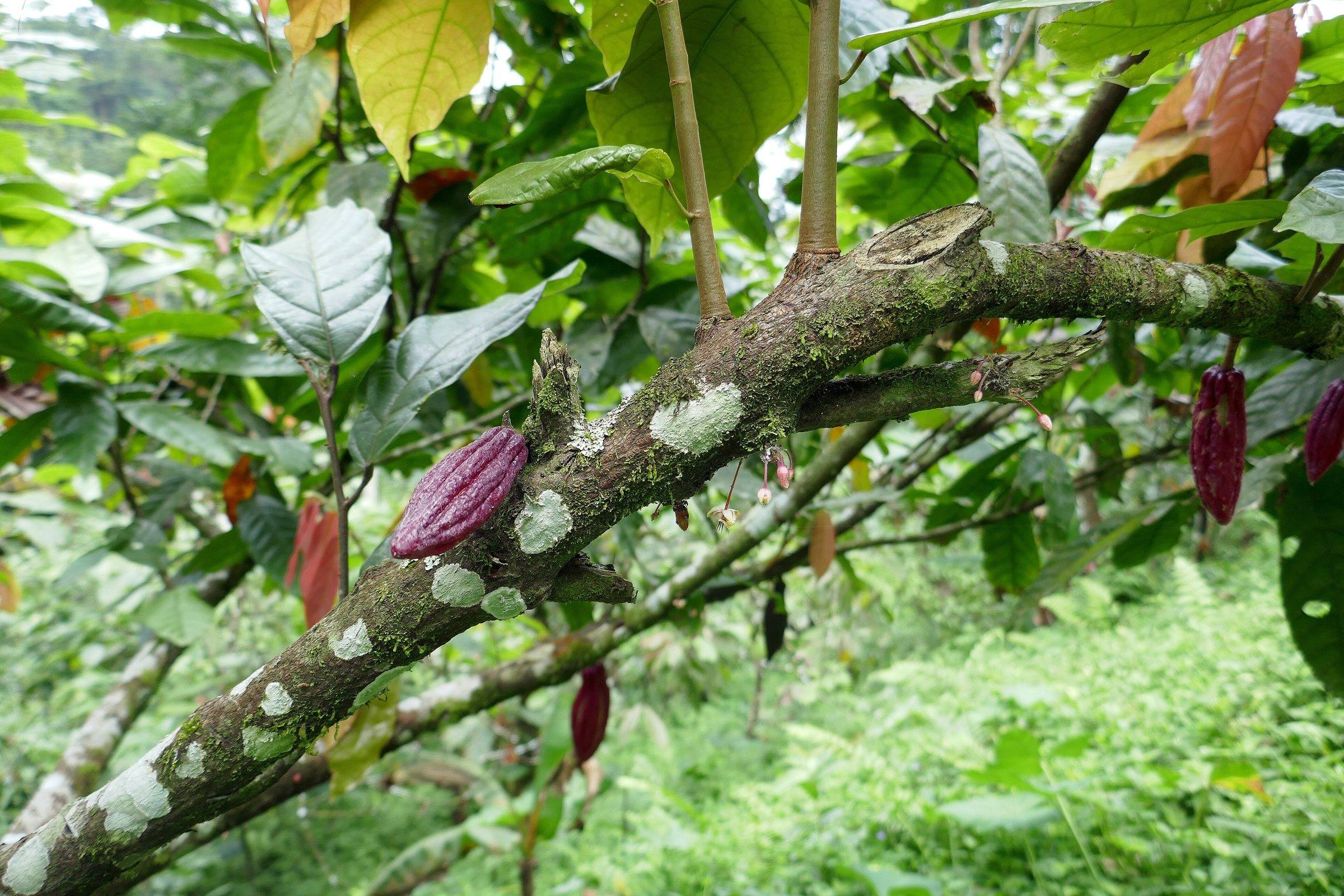
In the late nineteenth and early twentieth centuries the islands were covered with plantation estates growing coffee and cacao, and for a time São Tomé was among the world’s leading cocoa exporters. The work was done by enslaved people and, after abolition, by contract labourers brought from Angola, Mozambique and Cape Verde under conditions that drew international condemnation. After independence in 1975 the estates were nationalised; many declined. Today most are communities, some are being restored, a few are hotels.
Estates to know
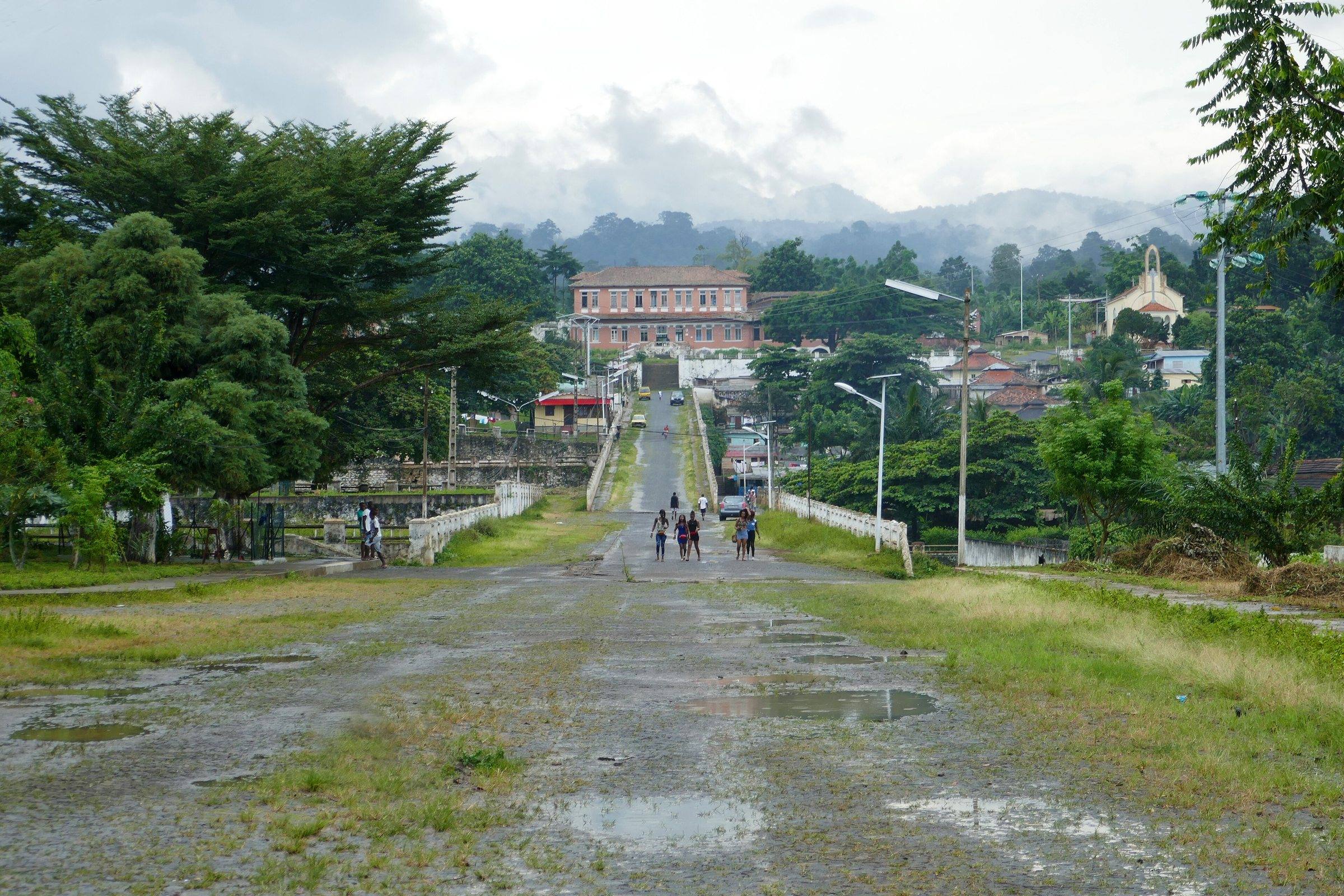
Roça Agostinho Neto
North-west of the capital, one of the largest estates, with a grand hospital building at the top of a long avenue and workers’ housing still occupied.
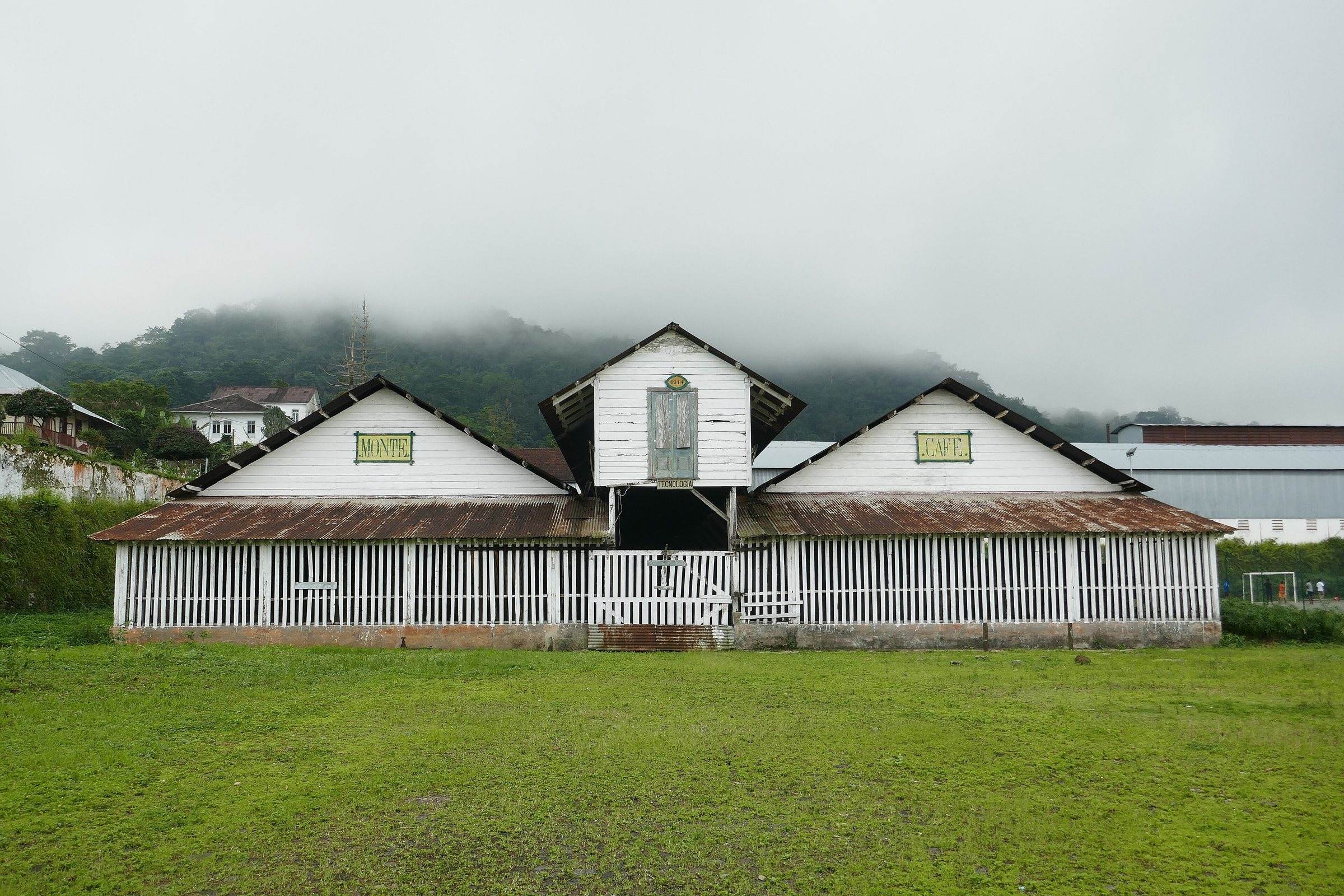
Monte Café
In the cool highlands, historically a coffee estate, with long wooden buildings under the mist and a natural starting point for cloud-forest walks.
Roça Sundy, Príncipe
A restored plantation house where the 1919 eclipse was observed. See Príncipe.
Visiting well
- Ask before photographing people and homes.
- Buy from local producers and pay guides properly.
- Ruined buildings can be unsafe; stay out of unstable structures.
Also asked
Quick answers
Can I visit the roças on my own?
Many roças are still lived in, and visitors often walk around them. Go respectfully: these are people’s homes. A guide adds the history and makes introductions easier.
Can I stay at a roça?
Yes. Several former plantation houses on both islands now operate as guesthouses or hotels, from simple to upmarket. Availability and standards vary; we match them to your budget.
Can I see chocolate being made?
Cacao is still grown on the islands and some producers and plantations offer visits or tastings. Ask us which are currently receiving visitors.
Plan with a person
Want this arranged for you?
Send your dates and what you want from the trip. We reply with practical options, the guides we would choose for you, what is confirmed and what is not, and a clear total price.
No payment to ask. Nothing is booked until you confirm a written quote.
Keep planning
Sources consulted (things change quickly here; if you have newer information, tell us):