
Endemic birds
Birding the endemic islands
Around 28 endemic bird species on two small islands. Where to look, why a specialist guide matters, and when to go.
São Tomé & Príncipe has around 28 endemic bird species on under 1,000 km² of land, including the world’s largest sunbird and smallest ibis. Many are findable in a few days with a local specialist guide; the rarest need remote forest, time and luck.
Why it is special
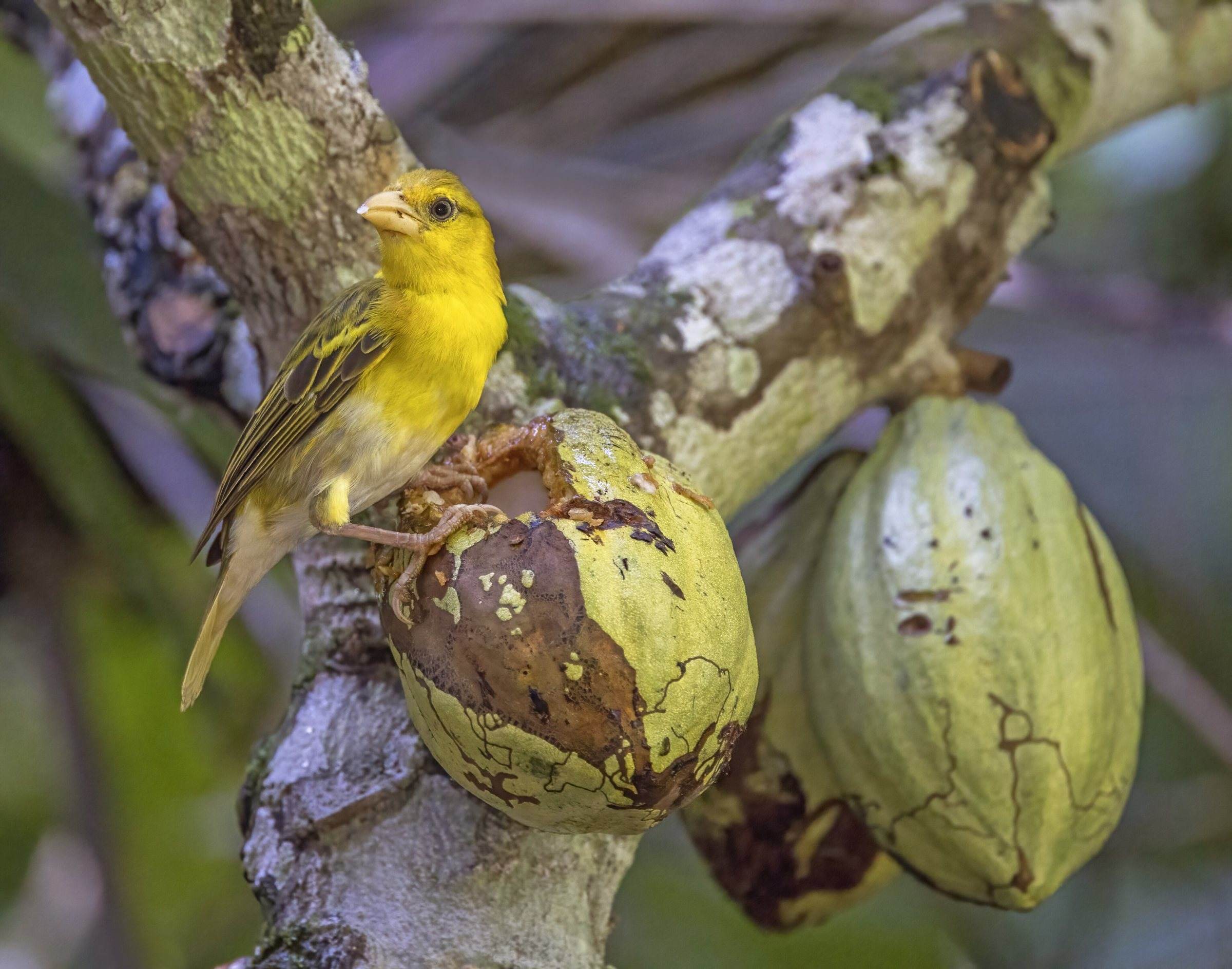
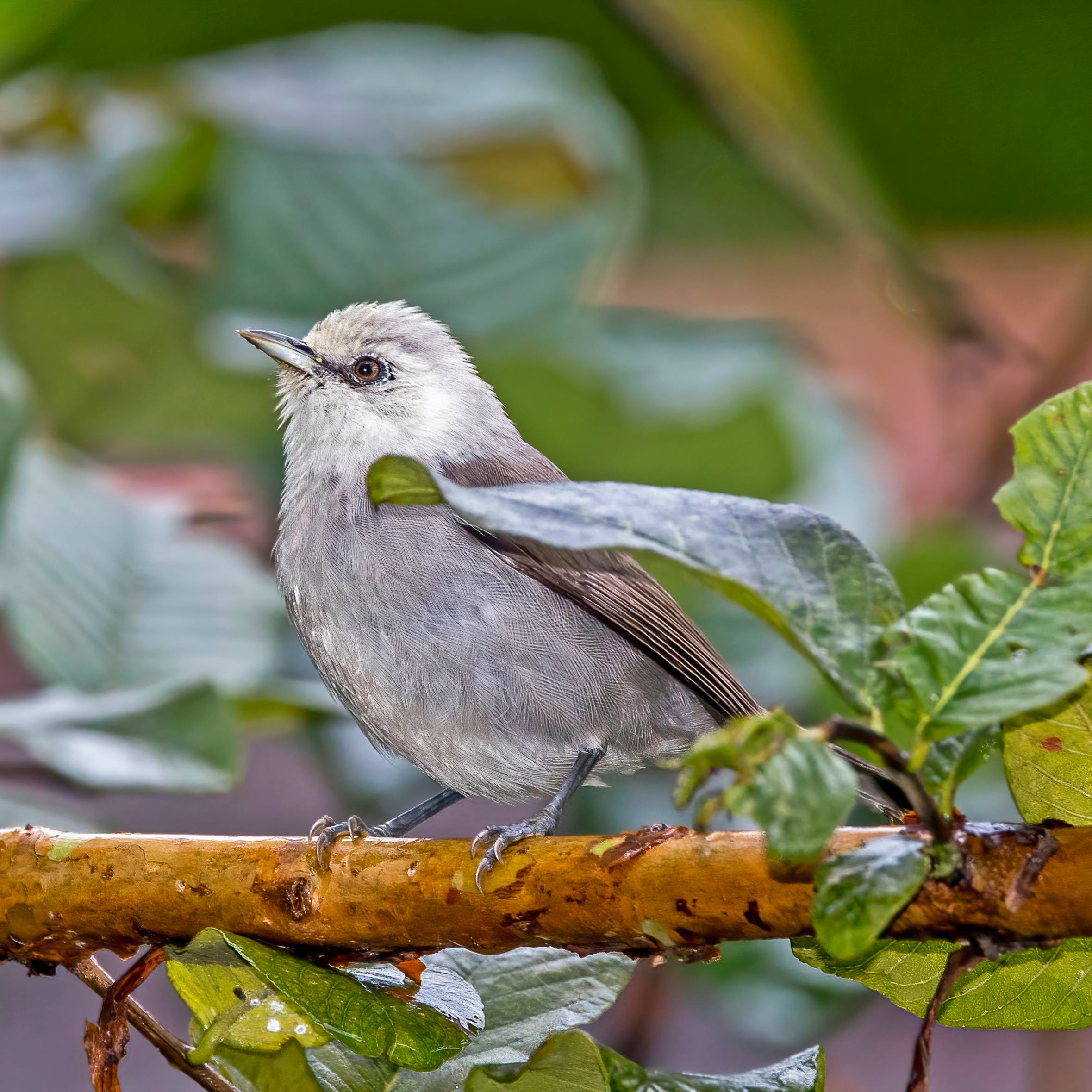
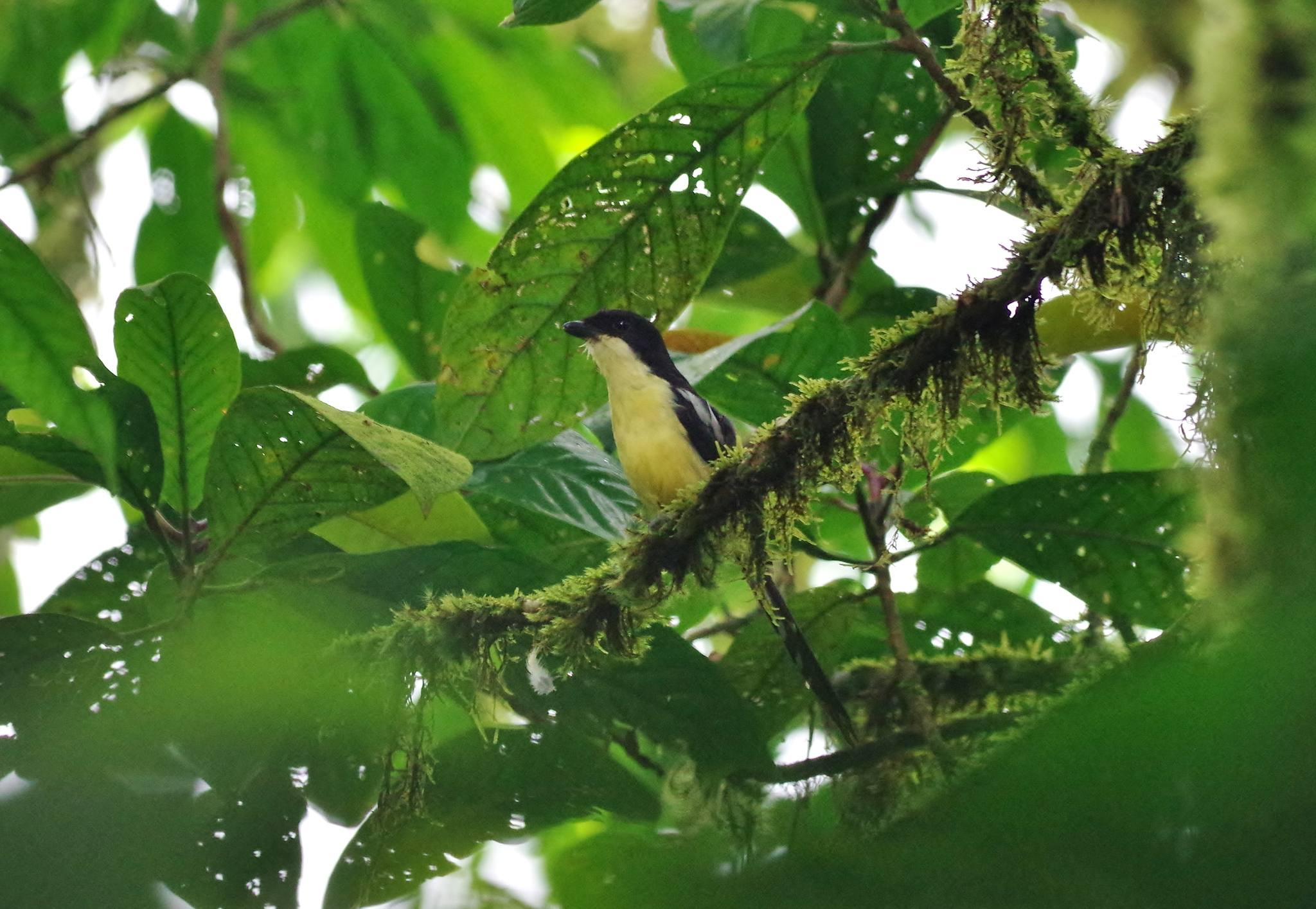
The islands have never been connected to the mainland, and their birds evolved in isolation. Relative to area, researchers describe São Tomé and Príncipe as having by far the highest number of endemic bird species in the world. Highlights include the giant sunbird, the giant weaver, the São Tomé short-tail (in a genus of its own) and Príncipe’s own species, such as the Príncipe speirops and golden weaver.
Where
- The highlands of São Tomé: the forest around Monte Café, Lagoa Amélia and the Obô park edges hold many of the more accessible endemics.
- The south-west forests: remote lowland forest is where the hardest species have been recorded. Access needs a specialist guide and often a long day.
- Príncipe: its own endemics, best on early guided walks.
Planning a birding trip
Tell us your target list and how hard you want to work for it. We match you with a guide who birds, not just a driver who knows the forest, and build the route around early starts in the right habitats. For the rarest species we will be honest about the odds.
Also asked
Quick answers
How many endemic birds are there?
Most sources give 28 endemic species for the country; BirdLife’s profile lists 29. Relative to land area, it is one of the highest concentrations of endemic birds in the world.
How many days do I need to see the endemics?
Many endemics are accessible in a few days with a good guide, but the rarest, such as the dwarf olive ibis, São Tomé fiscal and São Tomé grosbeak, need time in remote forest and luck. Dedicated birding tours typically spend over a week across both islands.
When is the best time for birding?
Specialist operators favour roughly October to March. Birding is possible year-round, but trails are easier in the drier months.
Plan with a person
Want this arranged for you?
Send your dates and what you want from the trip. We reply with practical options, the guides we would choose for you, what is confirmed and what is not, and a clear total price.
No payment to ask. Nothing is booked until you confirm a written quote.
Keep planning
Sources consulted (things change quickly here; if you have newer information, tell us):